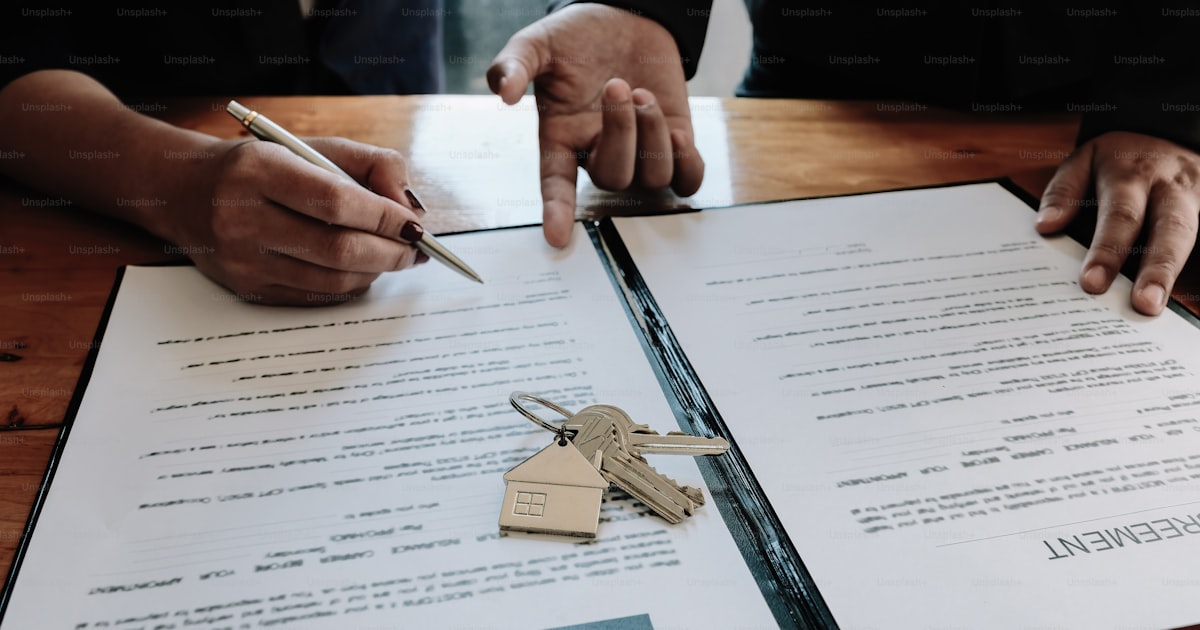
AI lead nurturing can help real estate agents respond faster, follow up consistently, and convert more leads — but it introduces compliance risks that don't exist with human agents who know the rules. The Fair Housing Act prohibits discrimination based on race, color, national origin, religion, sex, familial status, and disability. When AI writes your follow-up messages, selects your ad audiences, or recommends properties to leads, it can inadvertently violate these protections in ways that expose you and your brokerage to serious legal liability. HUD has already issued guidance on AI and algorithmic discrimination, and enforcement is increasing. This guide explains what to watch for, what language to avoid, and how to build an AI-powered lead nurture system that's both effective and fully compliant.
Why AI Introduces New Fair Housing Risks
Traditional Fair Housing violations are committed by humans who knowingly or unknowingly use discriminatory language or steering. AI violations are often invisible — they emerge from patterns in training data, audience targeting parameters, or message personalization that seems neutral on the surface but produces discriminatory outcomes. In 2023, HUD settled a landmark case with Meta over its ad targeting algorithms, finding that housing advertisers using certain demographic targeting tools were effectively redlining. AI tools that learn from historical data can perpetuate the same patterns if not carefully constrained.
- HUD's 2023 Guidance on Algorithmic Discrimination covers AI-generated housing content
- Fair Housing violations carry civil penalties up to $21,663 for a first offense
- 72% of real estate professionals report they've never received training on AI and Fair Housing
- NAR requires members to complete Fair Housing training — AI-related updates are now included
Language AI Should Never Use in Real Estate Messaging
If you're using an AI tool to write follow-up emails, SMS sequences, or property descriptions, audit every output for language that references protected classes — even positively. Phrases that sound friendly can still be discriminatory. 'Perfect for a young family' references familial status. 'Great for a professional couple' implies exclusion based on family status and potentially sex. 'Quiet neighborhood' has been used historically as coded language and should be avoided. 'Walking distance to the mosque/church/synagogue' references religion. Even complimentary language can trigger violations.
- Avoid: 'perfect for families,' 'ideal for empty nesters,' 'great starter home for young couples'
- Avoid: Describing school quality in ways that imply demographic composition
- Avoid: References to neighborhood character, 'feel,' or 'vibe' that could signal steering
- Avoid: Any language describing who 'fits' a neighborhood or property
- Use: Objective property features — square footage, bedrooms, amenities, price, location to landmarks
"The safest AI-generated real estate copy describes property features, not people. If your AI is describing who should live somewhere rather than what the property offers, rewrite it immediately."
Ad Targeting: The Highest-Risk Area for AI Compliance
AI-powered ad platforms — including Meta, Google, and programmatic display networks — offer audience targeting capabilities that can inadvertently exclude protected classes from seeing your listings. Meta's Special Ad Category for Housing restricts many targeting options for exactly this reason: you cannot target by age range (beyond a broad 18+ setting), you cannot exclude by zip code in ways that correlate with race, and you cannot use lookalike audiences in ways that mirror discriminatory historical patterns.
Always run real estate ads under the 'Housing' special ad category on Meta. If you're using an AI tool that manages your ad campaigns — like what we build at BlueDash for real estate clients — ensure it has hardcoded restrictions against protected-class targeting parameters and that your team reviews audience settings before any campaign goes live.
Safe AI Nurture Workflows for Real Estate
The goal is to use AI's speed and personalization capabilities without entering legally risky territory. Here's the framework that keeps you compliant:
- Trigger sequences based on buyer behavior — pages viewed, price range searched, property type saved — not demographics
- Personalize based on stated preferences the buyer provided: 'You mentioned you're looking for 3+ bedrooms in the north suburbs — here's what's new'
- Avoid inferring demographic characteristics from behavioral data to personalize messaging
- Use AI for response speed and consistency, not for audience segmentation by protected characteristics
- Have a licensed agent review all AI-generated property descriptions before they're published
Property Descriptions: AI Dos and Don'ts
AI property description generators are one of the most popular tools in real estate right now. They save hours of writing time and can produce compelling, SEO-optimized descriptions at scale. Used correctly, they're a major efficiency win. Used carelessly, they're a compliance liability. Configure your AI tool with a prompt that explicitly prohibits protected class references and focus it on objective property attributes: lot size, interior features, appliances, proximity to infrastructure (highways, transit, parks), and market-relevant details like price per square foot.
The Equal Opportunity Statement in AI Communications
The Fair Housing Equal Opportunity logo and statement ('We are pledged to the letter and spirit of U.S. policy for the achievement of equal housing opportunity throughout the nation') should appear in every listing advertisement, email footer, and website page displaying properties. If you're using AI to generate emails or landing pages, include this statement in your templates so it carries through automatically. It's not just best practice — it's required for NAR members and strongly recommended by HUD for all housing-related marketing.
Training Your AI System on Compliant Language
If you're using a customizable AI tool — whether that's a GHL workflow with AI content generation, a custom GPT, or another platform — you can reduce compliance risk significantly by including explicit Fair Housing guidelines in your system prompt or AI instructions. Tell the AI: 'Never reference race, color, national origin, religion, sex, familial status, or disability status in any housing-related content. Describe properties by their objective features only.' This instruction won't make your AI perfectly compliance-proof, but it dramatically reduces the frequency of problematic outputs.
Working with BlueDash on Real Estate AI
At BlueDash Creative, we work with real estate professionals to build lead nurture systems that are both high-performing and built with compliance guardrails from the ground up. Our AI employees — including Kai for email sequences and Nova for analytics — operate within defined parameters that exclude protected class references from all generated content. We also recommend all real estate clients run their AI-generated content through a compliance review before deployment. If you're serious about using AI to grow your real estate business in 2026, compliance isn't optional — it's foundational.